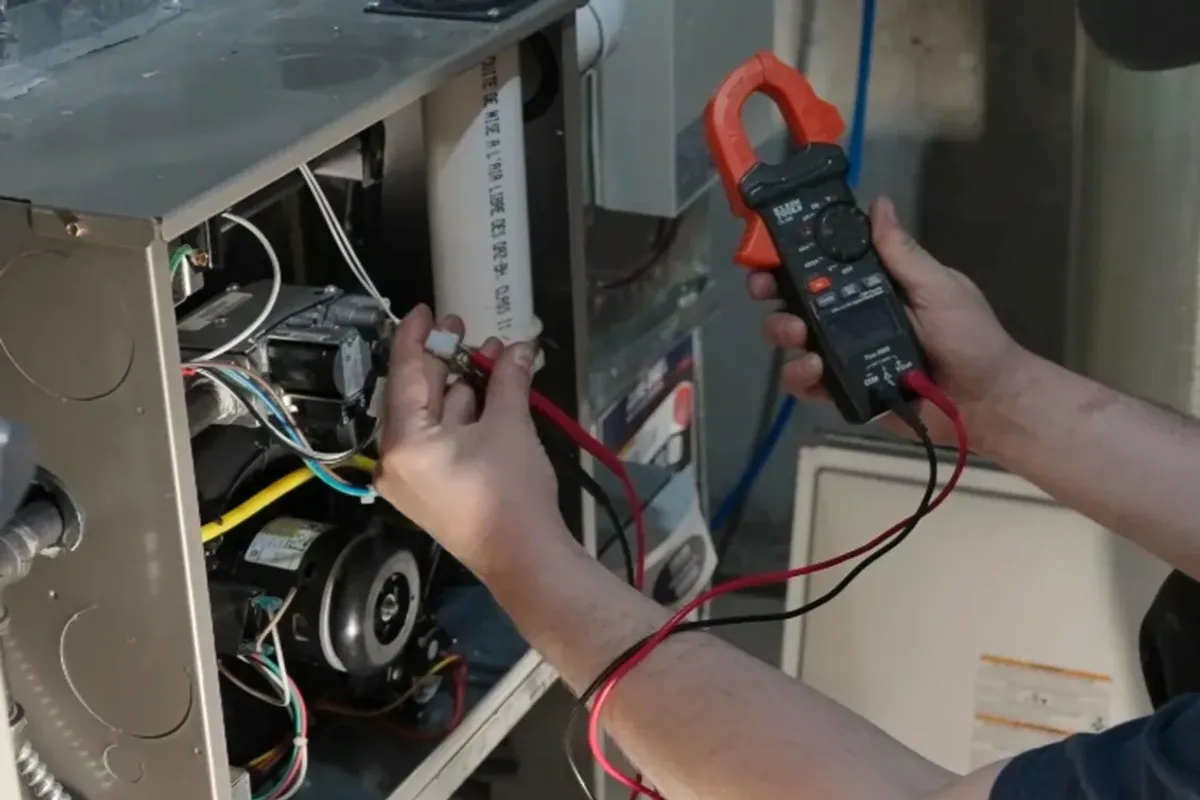
Request furnace repair for a property in Tecumseh. Include the equipment, the problem or planned work, and your location so the request can be reviewed.
What should be checked when a furnace will not start or is heating unevenly?
A furnace that will not start, produces unusual sounds, or leaves some rooms colder needs diagnosis before parts are replaced. The repair scope depends on the fuel and furnace design: gas models may have different ignition and venting arrangements from propane or oil equipment, while high-efficiency gas furnaces have distinct vent and condensate components. Observations about when the fault occurs, any displayed code, and recent changes in airflow help distinguish a repairable control or component issue from a larger equipment concern.
A diagnosis compares the reported symptoms with the furnace’s fault display, operating sequence, airflow, and component condition. Fuel type and model matter because ignition, burner, venting, and control arrangements differ. If a heat exchanger or venting concern is found, inspection findings and equipment age help determine whether repair is appropriate or replacement needs consideration.
Gas, propane, and oil furnace distinctions
Ignition, airflow, and control faults
Heat-exchanger inspection and repair-versus-replacement decisions
Assessment and Scope
Questions for the Proposed Work
01
Separate ignition faults from airflow problems
A furnace that does not fire may have an ignition, flame-sensing, fuel-supply, or control problem; a furnace that runs but heats unevenly may instead have restricted airflow or a distribution issue. The operating sequence and any fault code help narrow the cause. Gas, propane, and oil systems have different burner and ignition components, so diagnosis should follow the specific appliance design rather than assume one common repair.
02
Use maintenance findings to guide repair
Inspection can reveal a loaded filter, obstructed airflow, burner condition, thermostat communication issue, or another component fault. Those findings help distinguish a maintenance need from a failed part and clarify whether a symptom is likely to recur without addressing its cause. Maintenance tasks and intervals should follow the furnace manufacturer’s instructions and inspection results, rather than assuming every model needs the same service.
03
Compare repair with replacement when safety is in question
A repair decision changes if inspection identifies a damaged heat exchanger, unsafe venting, or a major failure on an older furnace. The specific finding, the affected component, and the remaining condition of the equipment matter more than a general rule that every fault is repairable or that age alone requires replacement. A documented assessment can explain whether a targeted repair is suitable or replacement should be considered.
Compare the next step
Ask for the present condition and repair option to be documented independently of a future replacement quotation. Compare available repair, related safety findings, expected household plans, and proposed new equipment sizing. Retain the findings so later decisions can build on evidence rather than an age-based sales recommendation.
Leave burner, fuel, venting, electrical, and internal equipment work to a qualified contractor. Do not bypass a safety switch or repeatedly reset a furnace.