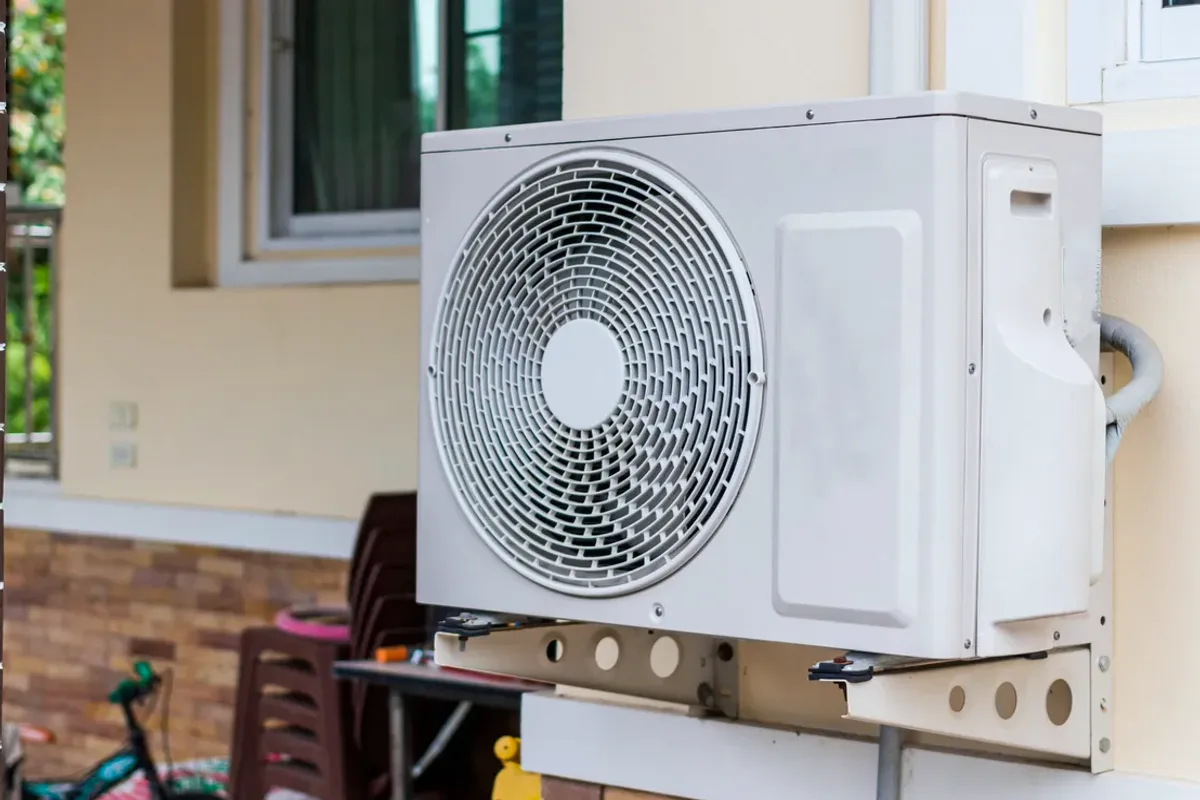
Request heat pump repair & installation for a property in Tecumseh. Include the equipment, the problem or planned work, and your location so the request can be reviewed.
What findings help distinguish a heat-pump repair from a need to replace the system?
A heat pump that ices up, runs continuously, makes unusual noise, or fails to heat or cool needs an assessment of the operating conditions and equipment. Defrost behaviour, airflow, electrical components, controls, and the refrigerant circuit can all affect operation. Repair and replacement are separate decisions: a localized fault may be repairable, while extensive deterioration or a major system failure may justify comparing replacement options and compatibility with the existing distribution and controls.
Diagnosis records the reported heating or cooling symptom, operating mode, visible ice, airflow, control response, and relevant electrical and refrigerant-system measurements. The equipment model and installation configuration help interpret those findings. For replacement planning, the existing distribution, electrical requirements, and control compatibility must also be reviewed so the proposed system suits the property rather than relying on a general rule.
Defrost, icing, airflow, and operating faults
Electrical and refrigerant-system diagnosis
Heat-pump repair and replacement planning
Assessment and Scope
Questions for the Proposed Work
01
Investigate icing, noise, and incomplete heating or cooling
Ice on equipment can have different causes, including a defrost problem, restricted airflow, or a refrigerant-system fault; the presence of ice alone does not identify the repair. Noise or uneven output also needs to be related to the operating mode and affected components. Inspection and measurements help distinguish a control or airflow correction from a fault requiring work on the sealed refrigerant circuit.
02
Use inspection findings to plan maintenance
A service inspection can assess coils, filters, electrical connections, controls, and defrost operation according to the equipment design and manufacturer instructions. Findings show whether a specific cleaning or adjustment is warranted or whether a repair is needed. Refrigerant concerns require diagnosis rather than simply adding charge, since a suspected leak changes the scope. Maintenance should follow the model’s instructions and observed condition.
03
Compare repair and replacement as separate paths
A targeted repair may be appropriate when a defined component fault is found and the remaining system condition supports continued use. Replacement deserves consideration when major work is required or deterioration extends beyond one component. Installation planning then checks equipment sizing, electrical requirements, distribution, and controls. Comparing those findings explains the scope of each option without assuming that every older heat pump must be replaced.
Compare the next step
If replacement is an opportunity to change heating strategy, ask for a complete system design alongside the immediate repair alternative. Compare calculated loads, retained equipment, low-temperature output, and supplementary heat. Record the intended operating strategy and construction assumptions before choosing a conversion solely because cooling equipment has failed.
Cold-climate capability does not prove that one model covers every home heating load. Ask how the selected equipment and supplementary heat meet the actual design requirements.